Blog
Learning Materials
7 Must-Know Hair Products for Thinning Hair Success
Updated: January 27, 2026
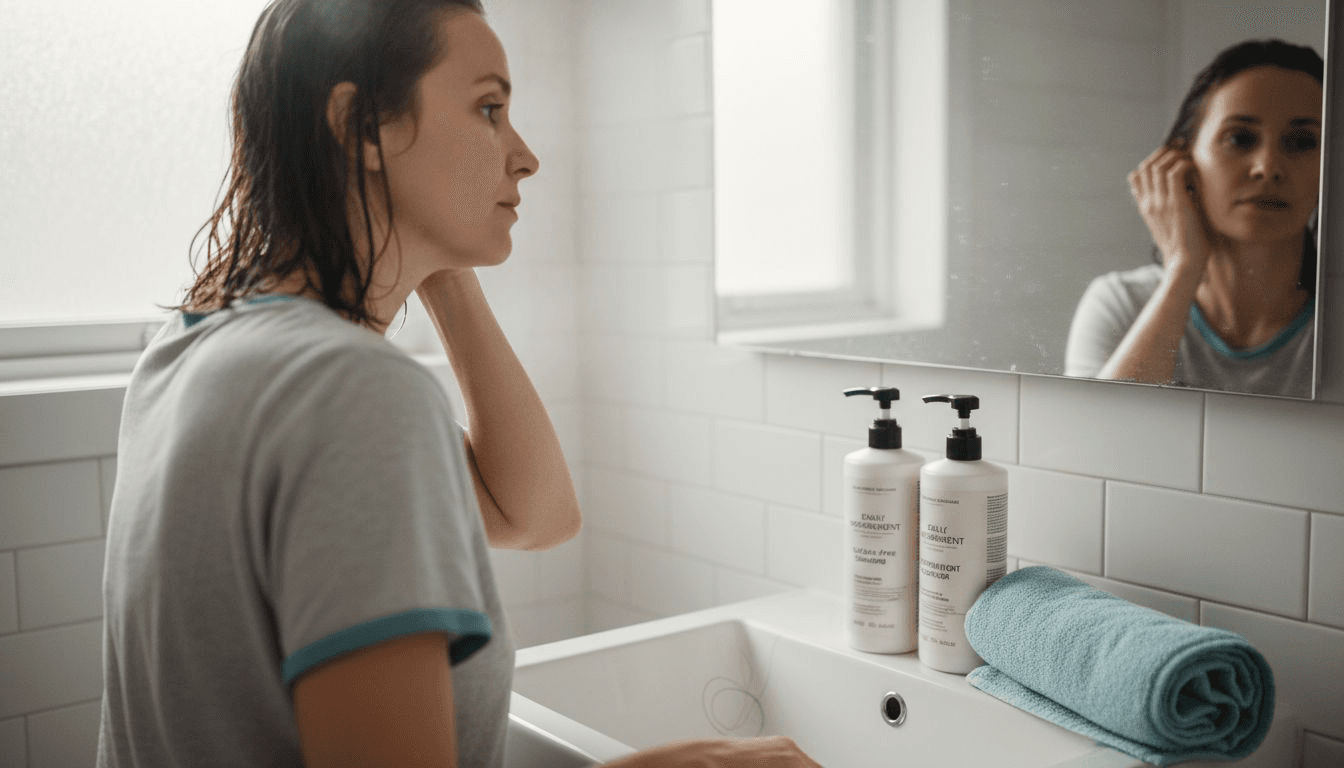
Watching your hair become thinner each month can feel discouraging and overwhelming. Finding products that actually make a difference often turns into endless trial and error, leaving your scalp and hair more stressed than before. If you want strong, fuller-looking hair, simply using any shampoo or conditioner will not cut it.
The good news is there are proven ways to support thin hair without causing irritation or buildup. From picking the right shampoo and conditioner to adding lightweight treatments and scalp care, each step can help your hair look and feel better.
Get ready to discover practical changes that make thinning hair easier to manage. These targeted tips will clarify exactly what to use—and how to use it—so you get healthier, more resilient hair over time.
Table of Contents
- Choose The Right Shampoo For Thinning Hair
- Benefits Of Lightweight Conditioners
- Using Serums To Boost Hair Growth
- How Scalp Exfoliators Improve Hair Health
- Thermal Protectants For Everyday Styling
- Leave-In Treatments For Strengthening Strands
- Selecting Supplements For Hair Support
Quick Summary
| Takeaway | Explanation |
|---|---|
| 1. Choose sulfate-free shampoos. | Sulfate-free shampoos are gentle, protecting scalp oils essential for healthier hair growth. |
| 2. Use lightweight conditioners. | Lightweight conditioners hydrate without weighing down thinning hair, helping it maintain volume and strength. |
| 3. Apply serum consistently. | Regular serum application nourishes scalp and hair, improving thickness and promoting regrowth over time. |
| 4. Exfoliate your scalp weekly. | Scalp exfoliation removes buildup, enhancing follicle health and supporting stronger hair growth. |
| 5. Protect hair with thermal protectants. | Thermal protectants shield fragile strands from heat damage, preserving moisture and preventing breakage during styling. |
1. Choose the Right Shampoo for Thinning Hair
Your shampoo choice matters more than you might think when dealing with thinning hair. The wrong product can strip your scalp of natural oils, weaken fragile strands, and actually accelerate hair loss. The right one supports regrowth and keeps your scalp environment healthy.
Start by looking for sulfate-free formulations. Sulfates are harsh detergents that strip away protective oils from your scalp and hair shaft. When you're dealing with thinning hair, this aggressive cleansing does more harm than good. A gentle, sulfate-free shampoo removes dirt and buildup without compromising the delicate balance your scalp needs to support healthier hair growth.
Scalp health directly influences hair thickness and regrowth. Regular washing with a suitable shampoo for your hair type removes excess oil, dead skin cells, and product buildup that can block hair follicles. When your scalp environment is clean and balanced, your hair has the foundation it needs to grow stronger and fuller.
Some shampoos contain active ingredients like minoxidil, which has demonstrated effectiveness in helping with hair regrowth or slowing hair loss in certain individuals. If you choose a medicated shampoo, consistency matters tremendously. You'll need to use it regularly as directed, though be aware that some people experience scalp irritation. Starting with a lower concentration and gradually increasing can help your scalp adjust.
Beyond active ingredients, pay attention to what else is in your bottle. Look for gentle cleansing agents, nourishing proteins, and scalp-soothing ingredients like biotin or saw palmetto. These support hair health without causing irritation. Read the ingredient list carefully. If you see sulfates, parabens, or heavy silicones listed prominently, keep looking.
Testing your shampoo matters too. Give any new product at least two to three weeks before deciding it's not working. Your scalp needs time to adjust, and results don't happen overnight. If you develop persistent irritation or flaking, that's your signal to switch products.
Pro tip: Massage your scalp gently while shampooing to stimulate blood flow and help the product work more effectively, but avoid aggressive scrubbing that can stress already fragile strands.
2. Benefits of Lightweight Conditioners
When you have thinning hair, conditioner becomes a balancing act. You need moisture and protection, but heavy formulas can make your hair look flatter and feel weaker. Lightweight conditioners solve this problem by delivering hydration without the weight that drags down fragile strands.
The main advantage of lightweight conditioners is their ability to moisturize without buildup. Traditional conditioners often leave a coating on your hair shaft that accumulates over time, making strands feel greasy and look limp. Lightweight formulas provide hydration and protection while allowing your hair to maintain its natural texture and volume. Your scalp stays healthier because these products don't clog follicles or create heavy residue that restricts growth.
Thinning hair needs every advantage it can get. When you use a lightweight conditioner, you're protecting your strands from breakage and environmental damage without adding excess weight. This means your hair can stand taller and appear fuller naturally. The reduced heaviness also allows air to circulate better through your hair, which supports scalp health.
These conditioners excel at detangling and managing fragile strands. Thinning hair tangles more easily because there's less density to create natural slip between strands. A lightweight formula makes brushing gentler and reduces breakage during this vulnerable process. Your hair becomes softer and more manageable without feeling weighed down.
Another key benefit is how lightweight conditioners improve hair texture. When you strengthen your strands and improve their overall condition, even thin hair looks and feels healthier. This enhanced texture creates the appearance of fuller hair while you're working on actual regrowth behind the scenes.
Application matters when using these products. Apply conditioner only to the mid-lengths and ends of your hair, avoiding the scalp area where it can cause buildup. Leave it on for just two to three minutes. You don't need longer contact time with lightweight formulas since they absorb quickly and efficiently.
Pro tip: Use a microfiber towel or cotton t-shirt to dry your hair instead of regular towels, which rough up the cuticle of delicate strands and increase breakage when combined with any conditioner.
3. Using Serums to Boost Hair Growth
Hair serums are concentrated treatments designed to penetrate deeply into your scalp and hair fibers where they deliver active ingredients directly to where they're needed most. Unlike rinse-out products, serums stay on your scalp to work continuously, making them one of the most effective tools for addressing thinning hair.
The key to serum effectiveness lies in their formulation. Quality serums contain vitamins, antioxidants, and botanical ingredients that nourish hair follicles and improve scalp circulation. Serums with active ingredients penetrate the scalp and hair fibers, improving strength and hydration while potentially stimulating the hair growth cycle. These concentrated nutrients work where your hair grows, creating conditions that support thicker, healthier strands over time.
Regular serum use supports the entire hair growth process. When you apply a quality serum consistently, you're reducing inflammation on your scalp, improving blood flow to hair follicles, and strengthening individual strands. This multi-action approach addresses thinning hair from multiple angles at once. Over weeks and months of consistent use, you may notice measurable improvements in hair thickness and overall scalp health.
Application technique determines how well your serum works. Apply serum directly to your scalp, focusing on areas where thinning is most noticeable. Part your hair in sections and massage the serum gently into your scalp using your fingertips. Avoid piling serum onto your hair strands, which can make them look greasy. Most serums work best when left on overnight or for several hours before washing.
Timing matters when using serums alongside other products. Apply serum to clean, damp scalp before using any other leave-in products. This allows the serum to absorb fully without competing with other formulas. You can apply lightweight conditioner to your hair ends after the serum has absorbed, layering your treatments for maximum benefit.
Consistency is where serum results come from. Using a serum sporadically won't generate the growth benefits you're seeking. Most people see noticeable changes after 8 to 12 weeks of regular application. Mark your calendar and commit to a routine so you don't miss treatments.
Pro tip: Store your serum in a cool, dark place and apply it at night to maximize absorption while you sleep, giving the active ingredients up to eight hours to penetrate your scalp without interference.
4. How Scalp Exfoliators Improve Hair Health
Your scalp is skin too, and like the skin on your face, it accumulates dead cells, excess oil, and product residue. This buildup blocks hair follicles and creates an unhealthy environment for growth. Scalp exfoliators remove this layer of debris, revealing a clean, healthy scalp underneath that can finally support stronger hair.
Exfoliation works by gently loosening and removing dead skin cells and sebum from your scalp surface. This process removes dead skin cells and product buildup that clog follicles and inhibit growth. When your follicles are clear and unobstructed, hair can grow more freely and appear thicker. Your scalp also absorbs nutrients and treatments more effectively after exfoliation, making your other hair care products work harder.
A healthier scalp means healthier hair growth. Exfoliation reduces inflammation and improves circulation to hair follicles, which strengthens the roots of each strand. Better blood flow means hair receives more oxygen and nutrients at the source. Over time, this translates to stronger strands that shed less and look fuller overall.
Scalp exfoliators also address specific scalp conditions that damage thinning hair. If you struggle with dandruff or a flaky, irritated scalp, exfoliation helps. By gently removing scales and flakes, you reduce the inflammation that triggers shedding related to these conditions. Your scalp environment becomes calmer and more stable, which supports the hair growth cycle.
Application frequency matters when using scalp exfoliators. Use exfoliators once or twice weekly, not daily. Overuse can irritate your scalp and cause damage. Apply the exfoliator to damp scalp using gentle circular motions with your fingertips. Spend extra time on areas where buildup is heaviest. Rinse thoroughly with lukewarm water and follow with your regular shampoo.
The results come from consistency and patience. After two to three weeks of regular exfoliation, you'll notice your scalp feels cleaner and less itchy. Your hair may appear shinier and feel less weighed down. These improvements happen because your scalp environment is finally optimized for healthy growth.
Pro tip: Exfoliate your scalp the day before applying any serums or treatments so the products can penetrate directly into your clean follicles without competing with buildup.
5. Thermal Protectants for Everyday Styling
If you style your hair with heat tools, you need thermal protection. Heat styling can damage thinning hair severely, turning fragile strands into brittle, broken pieces. A quality thermal protectant acts as a barrier between your hair and the intense heat, preserving the strength you desperately need.
Thermal protectants work by forming a protective coating on your hair shaft. This layer reduces direct heat penetration and minimizes protein damage from styling tools that reach temperatures exceeding 300 degrees Fahrenheit. When you apply a thermal protectant before blow drying, flat ironing, or using a curling iron, you're essentially insulating your strands against heat damage. The product absorbs some of the heat energy, preventing your hair from becoming dry and brittle.
For thinning hair specifically, thermal protectants are non-negotiable. Your strands are already compromised and more prone to breakage. Thermal protectants prevent hair from becoming overly dry due to heat styling. By maintaining moisture and elasticity in your hair, these products reduce split ends and breakage that make thinning hair look even thinner. You're protecting the hair you have while it grows back stronger.
Application timing is crucial for effectiveness. Apply thermal protectant to damp hair before any heat styling. Spray or apply the product evenly from roots to ends, making sure every section is covered. Wait a minute or two for it to absorb before using your heat tools. This waiting period allows the protective barrier to fully form on your hair shaft.
The type of heat tool matters less than protecting before you use it. Whether you blow dry daily, straighten weekly, or curl your hair occasionally, thermal protection should always come first. Even a quick blow dry can damage thinning hair without protection. Make it a non negotiable step in your styling routine.
Consistency with thermal protectants compounds your results over time. If you style with heat three times weekly and use thermal protection every single time, you're preventing significant cumulative damage. After several months of protected styling, your hair will be noticeably stronger and less prone to breakage.
Pro tip: Keep your heat tools at lower temperatures when using them on thinning hair, usually between 250 and 300 degrees Fahrenheit, which still styles effectively while minimizing damage even with protection applied.
6. Leave-In Treatments for Strengthening Strands
Leave-in treatments work differently than rinse-out products because they stay on your hair all day long. This extended contact time allows nourishing ingredients to continuously strengthen and protect your strands, making them your secret weapon against breakage and thinning.
These treatments deliver multiple benefits simultaneously. Leave-in treatments provide continuous hydration and nourishment that reduces breakage and improves hair elasticity. When your strands are properly hydrated, they become more flexible and resilient to stress. This means less snapping when you brush, less splitting at the ends, and less overall damage that makes thinning hair look worse.
The strengthening ingredients in leave-in treatments work overtime. Many contain proteins that rebuild damaged sections of your hair shaft, vitamins that support growth, and moisturizers that lock in hydration. As these ingredients work throughout your day, they're actively improving your hair's condition. By evening, your strands have absorbed hours of nourishment that translate to visible strength improvements.
Detangling becomes easier and safer with leave-in treatments. Thinning hair tangles easily because there's less density to create natural slip between strands. When you apply a leave-in treatment, you're making your hair smoother and more manageable. This reduces mechanical damage during brushing, which is one of the biggest culprits behind hair breakage in vulnerable hair.
Application is straightforward and fits into any routine. Apply leave-in treatment to damp hair after showering, focusing on mid-lengths and ends. Use just enough to coat your hair without making it dripping wet. You can style normally after application. Some leave-in treatments dry down to a lightweight finish that won't make your hair look greasy.
The cumulative effect of daily leave-in treatment use is powerful. After two to three weeks of consistent use, your hair will feel noticeably softer and stronger. After several months, your overall hair quality improves significantly. You'll notice less breakage during styling, less frizz, and hair that generally looks healthier and fuller.
Pro tip: Apply your leave-in treatment while your hair is still damp from the shower so it can penetrate more deeply into the hair shaft, maximizing the strengthening benefits throughout your day.
7. Selecting Supplements for Hair Support
Supplements work from the inside out, supporting hair health where topical products cannot reach. Your hair grows from living cells deep in your scalp, and the nutrients those cells receive directly impact hair strength and growth. Choosing the right supplements means addressing nutritional gaps that may be limiting your hair's potential.
Certain nutrients are absolutely critical for healthy hair. Biotin strengthens hair structure and reduces breakage. Vitamin D supports follicle function and hair cycling. Iron and zinc help your body produce the proteins hair needs to grow. Vitamins and minerals play a vital role in hair health, supporting follicle function and promoting growth. When these nutrients are present in adequate amounts, your hair grows stronger from the root.
Before starting any supplement, understand what you actually need. Many people assume they have nutritional deficiencies, but actual deficiencies are rare in well-nourished populations. The smart approach is getting blood work done to identify any real gaps in your nutrient levels. This personalized information guides you toward supplements that will actually help your specific situation rather than wasting money on products you don't need.
Quality and safety matter tremendously in the supplement world. The supplement industry is less strictly regulated than medications, so not all products are created equal. Look for supplements that have third party testing to verify their ingredient claims. Check the label for the supplement facts panel and ingredient list. Avoid products making unrealistic promises about hair growth results.
Dosage timing affects how well your body absorbs supplements. Some nutrients absorb better with food while others need to be taken on an empty stomach. Fat soluble vitamins like vitamin D absorb better when you eat them with dietary fat. Read the label instructions carefully and follow the recommended dosage. Taking more than recommended won't speed up results and may create health risks.
Consulting a healthcare provider before starting supplements protects you. They can review your complete health picture, identify actual nutritional needs, and flag any potential interactions with medications you take. This professional guidance ensures you're making safe, effective choices for your specific health situation.
Pro tip: Start with one supplement at a time and give it at least 8 to 12 weeks before evaluating results, so you can clearly see which product is actually helping your hair rather than guessing with multiple supplements at once.
Below is a comprehensive table summarizing strategies and products to address thinning hair and improve related health aspects as discussed in the article.
| Category | Recommendations | Benefits |
|---|---|---|
| Shampoo Selection | Opt for sulfate-free shampoos and formulas with nourishing and active ingredients like minoxidil. Test for scalp compatibility over weeks. | Promotes hair regrowth, protects scalp health, suitable for sensitive scalps. |
| Conditioner Usage | Use lightweight conditioners applied only to mid-lengths and ends. Avoid heavy residue. | Maintains hair elasticity, prevents buildup, supports scalp health and improves texture. |
| Hair Serums | Apply serums enriched with vitamins and botanicals directly to the scalp regularly for optimal absorption. | Strengthens strands, enhances hair growth cycle, and improves nutrient delivery. |
| Scalp Exfoliation | Incorporate scalp exfoliators weekly to remove buildup, reduce inflammation, and improve circulation. | Cleans follicles, enhances treatment effectiveness, supports healthier scalp conditions. |
| Thermal Protection | Apply thermal protectants before heat styling to shield hair from high temperatures. Keep tools at moderate settings on damp hair. | Reduces damage, preserves hair strength, prevents brittleness and split ends. |
| Leave-In Treatments | Use treatments on damp hair focusing on mid-lengths and ends. Select products with proteins and vitamins. | Continuous hydration and strengthening, reduces breakage and tangling. |
| Hair Supplements | Choose supplements with necessary nutrients like biotin, vitamin D, iron, and zinc after consulting healthcare professionals. Use consistently. | Supports hair structure and growth from within, corrects deficiencies impacting hair health. |
Unlock Your Hair's Full Potential with Personalized Care
Thinning hair presents unique challenges that require a tailored approach. This article highlights essential products like lightweight conditioners, scalp exfoliators, and serums that protect fragile strands and stimulate growth. If you want to move beyond guesswork and discover the best solutions for your hair type while addressing concerns like scalp health and breakage, using personalized insights is the key to success. Knowing exactly what your hair needs takes the frustration out of choosing products and elevates your hair care routine with targeted actions.
Take charge of your hair journey today by visiting MyHair.ai, where AI technology analyzes your hair condition to provide custom recommendations based on advanced scans. With detailed assessments and continuous tracking of your hair progress, you can confidently select shampoos, serums, supplements, and styling aids that match your unique needs. Don’t wait to give your thinning hair the focused attention it deserves. Start transforming your hair health now at MyHair.ai and see visible results with a plan built just for you.
Frequently Asked Questions
What type of shampoo should I use for thinning hair?
Choose a sulfate-free shampoo specifically designed for thinning hair. These gentle formulas maintain your scalp's natural oils while promoting a healthy environment for hair growth. Look for nourishing ingredients and avoid harsh detergents, which can worsen hair loss.
How often should I use a lightweight conditioner?
Use a lightweight conditioner every time you wash your hair to maintain moisture without weighing it down. Apply it only to the mid-lengths and ends of your hair, and leave it on for 2-3 minutes to enhance absorption and hydration.
How do hair serums contribute to hair growth?
Hair serums deliver active ingredients directly to your scalp, nourishing hair follicles and enhancing blood circulation. Apply the serum consistently to clean, damp hair to see improvements in hair thickness and overall scalp health within 8 to 12 weeks.
When should I use scalp exfoliators, and how often?
Apply scalp exfoliators once or twice a week to remove dead skin cells and product buildup that can block hair follicles. Use gentle circular motions to massage the product into your scalp, ensuring it stays clean and optimized for healthy hair growth.
What role do thermal protectants play for thinning hair?
Thermal protectants create a barrier against heat damage from styling tools, helping to preserve the strength of fragile strands. Always apply thermal protectants on damp hair before using heat tools to minimize cumulative damage over time.
How can supplements help support hair health?
Supplements can address nutritional gaps that affect hair strength and growth. Consider starting with key nutrients like Biotin and Vitamin D, taking them consistently for 8 to 12 weeks to assess their impact on your hair health.
Recommended
- How to Use Thickening Shampoo for Hair Loss Naturally | MyHair
- Hair Loss Treatment Products – Choosing What Works | MyHair
- 7 Best Hair Products for Hair Loss and Growth Tips | MyHair
- 7 Essential Hair Growth and Thickening Products Explained | MyHair
- Essential Hair Care for Thinning Hair: Tips and Treatments | MyHair