Blog
Learning Materials
7 Essential Natural Hair Care Products for Healthier Hair
Updated: January 23, 2026
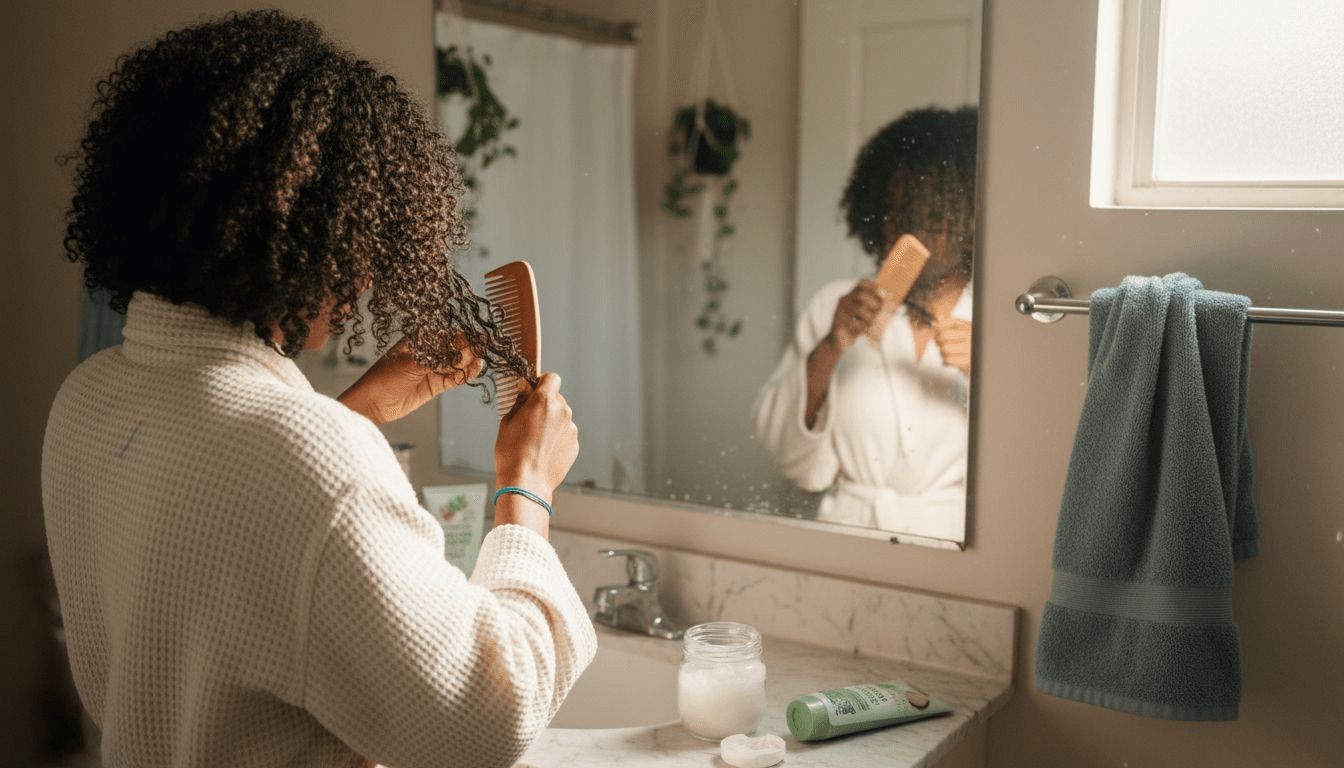
Trying to improve your hair's health and manageability can feel overwhelming when you’re faced with a crowded shelf of unfamiliar ingredients and confusing labels. Many traditional products include synthetic chemicals that can leave your scalp irritated and your hair looking dull. The shift to natural hair care isn't just about avoiding harsh additives—it’s about finding real solutions that strengthen, nourish, and protect your hair for the long term.
Scientific evidence highlights that plant-based ingredients like amla provide hair protection and promote growth, strength, antioxidative effects, and anti-dandruff benefits. Natural and organic shampoos also offer conditioning power and overall hair health comparable or superior to conventional formulas, while drastically reducing scalp irritation. If you want products that work with your hair type and address damage from styling, environmental stress, or chemical exposure, natural solutions offer impressive benefits.
You’re about to discover a set of actionable strategies that make natural hair care practical and effective. Each numbered tip will help you understand which ingredients and routines actually deliver results—so you can confidently invest in hair care that feels safer, gentler, and genuinely transformative.
Table of Contents
- 1. Understanding The Benefits Of Natural Hair Care Products
- 2. Choosing The Right Natural Shampoo For Your Hair Type
- 3. How Plant-Based Conditioners Boost Hair Strength
- 4. The Role Of Natural Oils In Moisturizing And Growth
- 5. Protecting Hair With Silk And Satin Accessories
- 6. Natural Scalp Treatments For Healthier Roots
- 7. Customizing Your Routine With Personalized Recommendations
Quick Summary
| Key Insight | Explanation |
|---|---|
| 1. Choose Natural Ingredients | Opt for natural hair care products with plant-based ingredients for healthier hair and scalp. They repair, nourish, and protect without harsh chemicals. |
| 2. Consider Your Hair Type | Not all natural shampoos work the same; select one that fits your specific hair type for optimal results and to avoid worsening your hair condition. |
| 3. Use the Right Oils | Incorporate natural oils like coconut or jojoba into your routine for hydration and improved scalp health; they enhance moisture retention and promote growth. |
| 4. Protect Against Friction | Switch to silk or satin pillowcases to reduce hair breakage from friction while you sleep; these materials help maintain hair moisture and health. |
| 5. Personalize Your Routine | Tailor your hair care regimen to your unique needs by tracking product effectiveness and adjusting based on your specific hair and scalp conditions. |
1. Understanding the Benefits of Natural Hair Care Products
When you look at the ingredients list on most conventional hair products, you might see a long string of chemical names that sound more like a lab experiment than something you'd put on your scalp. Natural hair care products take a different approach, using plant-based ingredients that work with your hair rather than against it.
So why should you care about going natural? The answer lies in what your hair actually needs. Plant-based ingredients like amla provide multiple benefits at once—they protect your strands, promote growth, strengthen what you already have, and fight dandruff. Unlike synthetic chemicals that can accumulate on your scalp and weaken hair over time, these phytochemicals work gently but effectively. Your hair gets nourished from root to tip without the harsh side effects.
The shift toward natural hair care isn't just a trend. Consumers increasingly recognize that synthetic chemicals like sulfates and parabens in conventional products can irritate your scalp and compromise your hair's health over time. Women in your age range especially report that natural and organic shampoos deliver comparable or superior results compared to traditional options, while also reducing scalp irritation and supporting sustainable practices. That means you're not sacrificing effectiveness when you switch to natural products.
Here's what makes natural ingredients particularly valuable for your hair health. When you use products made with herbs, essential oils, and plant extracts, these components actively nourish your scalp and hair while protecting against environmental damage from pollution, UV rays, and heat styling. Your hair becomes stronger, more resilient, and noticeably healthier over time. The antioxidative properties in natural ingredients also help prevent premature aging of your hair cells, which means less breakage and better texture as you age.
The practical benefit you'll notice quickly is how your scalp feels. Without harsh surfactants stripping away natural oils, your scalp maintains better balance. Hair that was previously dry and brittle begins to show shine. Frizz reduces. Color treated hair maintains its vibrancy longer. These aren't minor improvements—they're the kinds of changes that make you feel more confident about your hair every single day.
Pro tip: Start by replacing just one product with a natural alternative—typically your shampoo—and give it 2-3 weeks before evaluating results, as your hair needs time to adjust after years of using conventional products.
2. Choosing the Right Natural Shampoo for Your Hair Type
Not all shampoos work the same way for every head of hair. Your specific hair type determines which natural shampoo will actually deliver results rather than leaving your hair feeling worse than before you started.
Understanding your hair type is the foundation for making the right choice. Are you dealing with oily roots and dry ends? Fine, thin hair that needs volume? Thick, textured hair that requires serious moisture? Curly hair prone to frizz? Each of these hair types has different needs, and a shampoo formulated for one type might actually work against you if you have another. The good news is that natural shampoos offer targeted solutions without the harsh chemicals that damage hair regardless of type.
Here's where natural ingredients really shine. Instead of using aggressive synthetic surfactants that strip away everything from your scalp, natural shampoo formulations gently cleanse while maintaining scalp health by incorporating plant extracts and clays that provide multiple benefits at once. For oily hair, clay-based natural shampoos absorb excess sebum without creating that straw-like texture that sulfate shampoos leave behind. For dry hair, plant extracts and oils in natural formulas restore moisture while cleansing. For curly or textured hair, these gentle cleansers help you maintain your curl pattern instead of disrupting it.
Let's get practical. If you have fine, thin hair, look for lightweight natural shampoos with ingredients like green tea or rice extract that cleanse without weighing your hair down. If your hair is thick and coarse, seek out shampoos with richer plant oils and butters that provide the moisture this hair type desperately needs. Those with oily scalps should look for shampoos containing tea tree oil or charcoal that regulate oil production naturally. If you have curly or wavy hair, prioritize shampoos with hydrating ingredients like coconut oil and aloe vera that respect your hair's natural texture.
One common mistake women make is thinking all natural shampoos work the same way. They don't. A moisturizing shampoo designed for dry hair will make your oily scalp feel greasy within hours. A clarifying shampoo that works wonders for removing buildup might over-dry someone with naturally dry hair. This is why reading the ingredient list and understanding what each ingredient does becomes crucial. You're looking for shampoos that address your specific concerns, not just general natural shampoos.
Another key consideration involves what you're trying to avoid. If you're concerned about hair loss or thinning, you want a natural shampoo that supports scalp health rather than contributing to inflammation or irritation. If you struggle with dandruff or flaking, look for natural antifungal ingredients. If your hair is damaged from heat styling or color treatment, seek ingredients known for repair and strengthening. The beauty of natural shampoos is that you can often find products that target multiple concerns at once.
Pro tip: When switching to a natural shampoo, use it exclusively for at least two weeks before deciding if it works for you, as your scalp needs time to rebalance after years of conventional products stripping away natural oils.
3. How Plant-Based Conditioners Boost Hair Strength
Conditioner is not just about making your hair feel soft. A truly effective plant-based conditioner works at a deeper level, actually rebuilding the structural integrity of each hair strand and protecting it from future damage.
Your hair faces constant stress. Heat styling, UV exposure, pollution, and even the friction of brushing all contribute to damage that weakens your strands from the inside out. Conventional conditioners often rely on silicones that coat the hair surface, creating an illusion of strength while leaving the actual hair structure compromised. Plant-based conditioners take a different approach by using natural extracts that penetrate and genuinely repair.
Think of your hair like a brick wall. Each brick is a protein structure, and the mortar holding them together is what keeps everything intact. When your hair gets damaged, this mortar gets compromised, causing the bricks to separate and your hair to become weak, brittle, and prone to breakage. Plant extracts like Aloe vera and flaxseed nourish and strengthen hair by working to restore this structural integrity, reducing friction between hair strands, and protecting against environmental damage. These ingredients don't just coat the surface; they work within the hair shaft itself.
What makes this repair work so effectively is how plant-based conditioning agents address specific types of damage. Plant-derived conditioners repair damaged hair by minimizing harmful effects from mechanical or thermal stress, restoring smoothness and shine while remaining biodegradable and environmentally sustainable. When you use heat tools, your hair experiences thermal stress that breaks down the proteins holding everything together. When you brush aggressively or tie your hair too tightly, mechanical stress creates the same problem. Plant-based conditioners contain compounds that help reverse this damage and strengthen weakened areas.
The practical benefit you'll notice shows up in multiple ways. Your hair will be less prone to breakage, especially at the ends where damage tends to accumulate. You'll see improved elasticity, which means your hair can stretch without snapping. Frizz decreases because the hair cuticle becomes smoother and more intact. If you've been dealing with hair loss or thinning, strengthened strands mean less hair breaking off during washing and styling. Over time, this compounds into noticeably healthier, stronger hair overall.
Here's where specificity matters. Flaxseed conditioners work particularly well for fine hair because they add strength without weight. Coconut oil-based conditioners provide intense repair for thick, textured hair. Aloe vera conditioners soothe and strengthen simultaneously, making them ideal if you have scalp sensitivity or inflammation contributing to hair loss. Argan oil conditioners restore shine and resilience to damaged, color-treated hair. Choosing a plant-based conditioner means you can match both your hair type and your specific damage concerns with ingredients designed to address them.
One important distinction: leave-in conditioners and rinse-off conditioners serve different purposes. Rinse-off conditioners provide immediate conditioning benefits and are what most people think of as standard conditioning. Leave-in conditioners stay on your hair and continue working throughout the day, offering ongoing protection and strength-building. Many people with compromised hair benefit from using both, applying a rinse-off conditioner right after shampooing, then adding a leave-in conditioner to damp hair before styling.
Pro tip: Focus your plant-based conditioner application on the mid-lengths and ends of your hair where damage accumulates, using just a small amount at the roots to avoid weighing down your scalp and encouraging excess oil production.
4. The Role of Natural Oils in Moisturizing and Growth
Natural oils are one of the most misunderstood hair care products. Many women avoid them thinking oils will make their hair greasy, when in reality, the right natural oil applied correctly can transform both your hair health and your growth outcomes.
Your hair needs moisture to survive and thrive. Without proper hydration, your strands become brittle, split easily, and break off before they can grow long and strong. This is where natural oils become essential. Unlike synthetic oils that sit on the hair surface and eventually wash away, plant-based oils like coconut, olive, argan, and jojoba are rich in fatty acids, vitamins, and antioxidants that actually penetrate the hair shaft and lock in moisture. These oils form protective barriers around each strand, preventing water loss and protecting against environmental damage like pollution and UV rays.
Here's the science behind why this matters for hair growth. Your hair follicles need proper nourishment to produce healthy strands. When your scalp is dry and inflamed, hair growth slows dramatically and can even reverse into hair loss. Natural oils provide anti-inflammatory and antioxidant benefits that create an optimal scalp environment for growth. They improve barrier function, which means your scalp retains moisture better and stays healthier overall. A healthy scalp produces healthy hair. It's that straightforward.
The key to using natural oils effectively lies in understanding how they work. Natural oils act as occlusives and emollients, improving scalp barrier function and providing essential fatty acids for hair hydration. An occlusive creates a barrier that prevents moisture loss. An emollient softens and smooths. Together, they seal in the moisture already in your hair while adding nourishing compounds your scalp desperately needs. This dual action makes natural oils far more effective than most conventional hair products at actually solving the problems that lead to hair loss and thinning.
Choosing the right oil for your specific needs makes a huge difference. Coconut oil penetrates deeper than most oils and provides antimicrobial benefits, making it excellent for scalp health and hair growth, though it can leave fine hair looking weighed down. Argan oil is lighter and absorbs quickly, making it ideal if you have fine or thin hair but still want deep nourishment. Jojoba oil closely mimics your scalp's natural sebum, making it perfect if you have oily roots but dry ends. Olive oil provides intense moisture for thick, textured hair. Each oil brings different benefits, so matching your oil to your hair type and concerns matters tremendously.
The application method determines whether you'll see amazing results or disappointing ones. For scalp health and growth stimulation, massage a small amount of natural oil into your scalp a few times weekly, leaving it on for at least 30 minutes before shampooing. For hair conditioning and strength, apply oil to damp hair focusing on the mid-lengths and ends, leave it on for a few hours or overnight, then shampoo thoroughly. Start with less than you think you need. You can always add more, but too much oil requires multiple shampoo sessions to remove and can actually worsen scalp conditions temporarily.
Many women notice results within a few weeks of consistent oil use. Your scalp feels less itchy and irritated. Hair that was breaking off stops snapping as easily. New growth looks noticeably healthier. Shine returns to dull, damaged hair. If you've been experiencing hair loss, you may see reduced shedding as your scalp becomes healthier and your hair strengthens. The timeline varies depending on how damaged your hair is and how consistent you are, but patience with natural oils genuinely pays off.
Pro tip: Mix a small amount of your chosen natural oil with a few drops of rosemary or peppermint essential oil before applying to your scalp, as these essential oils enhance circulation and can amplify growth benefits while making the treatment feel more refreshing.
5. Protecting Hair with Silk and Satin Accessories
Your nighttime hair care routine might be sabotaging your hair growth goals more than you realize. The friction between your hair and a regular cotton pillowcase creates damage every single night you sleep, but switching to silk or satin accessories can completely change this equation.
Think about what happens when you sleep on a cotton pillowcase. Your hair rubs against the rough surface hundreds of times throughout the night. This constant friction creates multiple problems at once. Your hair cuticles get roughed up, leading to frizz and breakage. Moisture gets pulled out of your strands. Tangles form that you'll struggle to brush out in the morning, causing additional breakage. Over time, this nightly damage compounds dramatically. If you're already dealing with hair loss or thinning, this friction damage accelerates the problem by weakening already vulnerable strands.
Silk has a protein structure similar to human hair, providing superior friction reduction and moisture retention compared to satin, making it the gold standard for nighttime hair protection. Silk pillowcases and hair accessories minimize the damage caused by friction during sleep, which is especially valuable if you have fine, damaged, or chemically treated hair. The smooth surface of silk allows your hair to glide across the pillow rather than catching and rubbing, which means less breakage and better retention of moisture your hair worked hard to absorb from your conditioning products.
But here's where it gets important to understand the difference between silk and satin. While satin pillowcases also reduce friction, many satin products are synthetic and do not offer the same breathability and moisture retention benefits as natural silk, though they are more affordable. If you're shopping on a tight budget, satin is absolutely better than cotton. But if you can invest in true silk, the superior results make it worthwhile. Real silk pillowcases tend to last longer, work better for hair health, and actually improve with age rather than degrading like some synthetic satin products.
The practical benefits you'll notice relatively quickly are significant. Your hair will be noticeably less tangled in the morning, which means you can detangle more gently without breaking strands. Frizz decreases because your hair isn't being roughed up overnight. If you have curly or textured hair, your curl pattern will actually hold better because you're not disrupting it constantly with friction. Your hair will feel softer and look shinier because the cuticles aren't being damaged and moisture is being retained. For women dealing with hair loss, reducing this nightly friction is one of the easiest wins available because it costs you nothing extra in terms of time or effort.
Beyond pillowcases, consider other silk and satin accessories that protect your hair during sleep and daily wear. Silk hair wraps keep your hair smooth and protected if you wrap your hair before bed. Silk hair ties distribute pressure more evenly than elastic bands, reducing breakage when you put your hair up. Some women even sleep in silk bonnets or scarves to provide full head coverage and moisture protection throughout the night. If you have textured hair, these accessories become especially valuable because they prevent the moisture loss and friction that can disrupt your natural curl pattern.
One important consideration involves care and maintenance. Real silk requires gentler washing than synthetic materials. Most silk pillowcases can be hand washed or placed in a delicate washing machine cycle using cool water and mild soap. Drying should be gentle to avoid damage to the silk fibers themselves. The investment in proper care is worth it because a quality silk pillowcase can last for years, making the cost per night of use actually quite reasonable when you calculate it over time.
Pro tip: Start with a silk pillowcase first as your primary investment, then gradually add silk hair ties and a silk sleep bonnet as your budget allows, since the pillowcase provides the most consistent nightly protection for the longest duration.
6. Natural Scalp Treatments for Healthier Roots
Your scalp health determines your hair health. Treat your scalp like an afterthought, and you'll continue experiencing hair loss and thinning no matter what products you use on the strands themselves.
The scalp is where it all begins. Every hair grows from a follicle embedded in your scalp, and that follicle's health directly determines the quality and longevity of the hair it produces. A neglected, inflamed, or unhealthy scalp simply cannot produce strong, vibrant hair. Conversely, a well-nourished, calm, and healthy scalp becomes the foundation for dramatic improvements in hair growth, thickness, and overall hair quality. This is why natural scalp treatments should be considered just as important as any other product in your hair care routine.
What makes natural scalp treatments so effective? Herbal remedies using natural products such as rosemary, green tea, ginseng, aloe vera, olive, and saw palmetto have demonstrated efficacy in promoting hair growth and improving hair density through anti-inflammatory effects and enhanced scalp circulation. These botanicals work by addressing the underlying conditions that prevent healthy hair growth. Inflammation on the scalp restricts blood flow to hair follicles, starving them of nutrients. Bacterial overgrowth and fungal issues create an environment where hair falls out faster than it grows. Natural herbs tackle these problems directly rather than just masking symptoms.
Consider rosemary as a specific example. This herb has been used for centuries to support hair growth, and modern research confirms its effectiveness. Rosemary enhances circulation to your scalp when applied topically or even when used in tea. When blood flows more freely to your hair follicles, those follicles receive more oxygen and nutrients, which directly translates to healthier, stronger hair growth. Green tea works similarly through different mechanisms, providing antioxidants that protect your scalp from environmental stress and inflammation. Saw palmetto addresses scalp health from another angle by helping regulate hormones that contribute to hair loss in many women.
Practically speaking, you can incorporate natural scalp treatments into your routine in several ways. Create a scalp treatment by mixing essential oils of rosemary or peppermint with a carrier oil like coconut or jojoba oil, then massage this mixture into your scalp for five minutes before shampooing. This stimulates circulation and infuses your scalp with nourishing compounds. Use a green tea rinse by steeping green tea bags, letting the liquid cool, and pouring it over your scalp after shampooing. Look for shampoos and scalp masks that prominently feature these herbal ingredients. Some women benefit from dedicated scalp treatment products designed specifically to be left on the scalp for extended periods to maximize the benefits.
Herbs have been recognized for their potential to improve scalp health by addressing dandruff, inflammation, and hair loss through anti-microbial and anti-inflammatory properties. If you struggle with specific scalp conditions, choose treatments that target your particular issue. Scalp itching and dandruff respond well to tea tree oil and aloe vera combined with stronger herbs. Oily scalp conditions benefit from astringent herbs like witch hazel combined with rosemary. Dry, flaky scalp conditions need more moisturizing treatments with olive oil and aloe vera as bases. The beauty of natural scalp treatments is that they rarely cause the secondary problems that some conventional scalp treatments create. You're not trading one problem for another.
One critical point involves consistency. Natural scalp treatments work, but they work gradually. Your scalp didn't become unhealthy overnight, and it won't transform overnight either. Most women notice meaningful improvements in scalp comfort, reduced itching or flaking, and improved hair growth within three to four weeks of consistent scalp treatment use. By two months, the changes become dramatic. Hair that was falling out in clumps begins shedding normally. New growth looks visibly healthier. Scalp tenderness or sensitivity disappears. The timeline varies based on how compromised your scalp health was initially, but patience combined with consistency yields real results.
Another consideration involves layering treatments. Your scalp can benefit from multiple natural treatments applied strategically. A gentle daily rinse with herbal tea takes minimal time. A weekly intensive scalp mask or oil treatment provides deeper nourishment. A dedicated scalp serum with concentrated herbal extracts offers targeted support. Using complementary treatments maximizes your results without overwhelming your scalp with too much product at once.
Pro tip: Start with one scalp treatment applied consistently for three weeks before adding another, so you can identify which specific ingredients work best for your scalp and avoid overwhelming it with too many new products simultaneously.
7. Customizing Your Routine With Personalized Recommendations
Generic hair care advice fails most people because your hair is uniquely yours. What works perfectly for someone else might completely fail for you, which is why personalizing your routine based on your specific situation becomes the true game changer for achieving lasting results.
You already understand that hair type matters. Curly hair needs different products than straight hair. Oily scalps require different approaches than dry scalps. Textured hair has unique needs compared to fine hair. But personalization goes much deeper than these basic categories. Your individual genetics, environmental exposure, water quality, stress levels, hormonal fluctuations, and even your climate all influence which products will actually work for you and which will waste your money or make things worse.
This is where modern technology becomes genuinely valuable. Machine learning advances enable the creation of highly personalized hair care routines tailored to individuals' unique hair types, environmental factors, and personal preferences by analyzing data such as hair texture, scalp condition, and genetic factors. Rather than guessing or relying on generic recommendations, you can receive product suggestions and routines optimized specifically for your situation. These systems analyze your hair characteristics, your concerns, and what has or hasn't worked for you in the past, then synthesize that information into a customized plan designed to address your particular challenges.
What makes personalized recommendations so much more effective than one-size-fits-all approaches? The answer lies in understanding that personalized hair care regimens developed through comprehensive analysis of genetic and molecular factors can address unique needs to improve efficacy and reduce adverse effects from incompatible products. When you use products formulated for a completely different hair type or concern, you're essentially fighting against your own hair biology. A product designed for oily scalp conditions might strip away protective oils from a naturally dry scalp, worsening the situation. A moisturizing treatment designed for thick hair might leave fine hair looking limp and lifeless. Personalized recommendations eliminate this mismatch by ensuring every product in your routine actually supports your specific hair profile.
Implementing personalized recommendations starts with honest assessment. Document your actual hair concerns rather than what you think you should have. Are you experiencing actual hair loss or just normal shedding? Is your scalp itchy or is your hair simply frizzy? Do you have dryness at the ends while your roots get oily, or is your entire hair dry? Do you have inflammation on your scalp? Does your hair break easily or does it grow slowly? The more specific you are about what you actually need to fix, the better your personalized recommendations will be.
Next, identify any environmental or lifestyle factors influencing your hair. Do you live in a humid climate where frizz is inevitable, or a dry climate that depletes moisture? Does your water quality lean hard or soft? Are you heat styling frequently or keeping your hair in protective styles? Do you swim regularly in chlorinated water? Are you under high stress or dealing with hormonal changes? All of these factors should influence your routine because products that work in one environment might fail in another. Someone swimming regularly in chlorinated pools needs chelating products and protective treatments that someone without chlorine exposure might never need.
Once you understand your specific situation, you can build a truly effective routine instead of randomly adding products and hoping something works. Your routine should include a cleanser appropriate for your scalp type, a conditioner matched to your hair type and concerns, targeted treatments addressing your specific issues, protective accessories preventing damage, and scalp treatments supporting follicle health. But the specific products within each category should be chosen based on your personal profile, not based on what's popular or what your friend recommended.
Track your results consistently. Take baseline photos of your hair and scalp before starting a personalized routine. Note your daily shedding, hair texture, scalp comfort, and any visible changes. After implementing your customized routine for six to eight weeks, reassess. Are you seeing improvement? Is your hair shedding less? Does your scalp feel calmer? Is your hair shinier or less frizzy? Based on these results, you can fine-tune your routine further. Maybe one product is working amazingly while another isn't delivering, so you swap that one out while keeping what's working. This iterative approach to customization ensures your routine keeps improving as you learn what your hair truly needs.
Pro tip: Document your hair journey by keeping a simple log noting which products you use each week and how your hair responds, creating a personal database that helps you identify patterns and make informed decisions about which products deserve to stay in your rotation.
Below is a comprehensive table summarizing the main choices, benefits, and strategies for adopting natural hair care practices as discussed throughout the article.
| Key Concept | Description | Notable Benefits |
|---|---|---|
| Natural Hair Care Products | Using products with plant-based ingredients to match the natural composition of hair. | Promotes healthy scalp and hair, reduces irritation, and prevents premature aging of hair cells. |
| Benefits of Plant-Based Products | Ingredients such as amla and essential oils nourish the scalp and strengthen hair without harsh chemicals. | Repairs damaged strands, supports sustainable practices, and provides antioxidative protection. |
| Selecting Proper Products | Understanding your hair's type and needs to choose formulations providing optimal outcomes. | Personalized care prevents issues like excessive oiliness or dryness. |
| Conditioner Applications | Plant-derived conditioners repair hair from environmental and thermal damage and protect against future harm. | Smoother, shinier, and more elastic hair less prone to breakage. |
| Role of Natural Oils | Oils such as argan or coconut provide nourishment while sealing moisture. | Scalp nourishment leading to decreased irritation, enhanced growth, and improved strand resilience. |
| Protecting Hair During Sleep | Using accessories like silk pillowcases or silk scarves to minimize friction during sleep. | Reduces nightly hair damage and retains moisture, leading to healthier and less frizzy hair. |
| Natural Scalp Treatments | Incorporating herbal remedies like rosemary or tea tree oil for improved scalp conditions. | Increased blood circulation improves follicle health and reduces issues like dandruff or irritation. |
| Personalizing Hair Care Routine | Tailoring products and strategies based on individual needs, using data-driven or observational feedback. | More effective results and efficient resource usage tailored to personal hair needs and conditions. |
Unlock Your Strongest Hair with Personalized Natural Care
Struggling with dryness, breakage, or thinning despite trying various natural hair care products The key to healthier hair lies in understanding your unique hair type, scalp condition, and growth patterns just as this article highlights. Harnessing the power of plant-based ingredients and scalp treatments is important but knowing exactly which products work for you can transform frustrating routines into visible results. MyHair.ai combines advanced AI technology with personalized insights to help you navigate natural hair care more effectively.
Discover tailored recommendations that match your hair type and concerns From the best natural shampoos to targeted oils and conditioners MyHair.ai tracks your hair health over time using detailed assessments based on your scans. Join thousands who have upgraded their hair regimen with personalized plans designed to reduce shedding, strengthen roots, and promote growth Take control of your hair health now by visiting MyHair.ai and get started with your customized natural hair care routine today.
Frequently Asked Questions
What are the essential natural hair care products for healthier hair?
Natural hair care products typically include natural shampoos, plant-based conditioners, natural oils, and scalp treatments. Start by incorporating at least one of these products into your routine to see improvements in hair health.
How can I choose the right natural shampoo for my hair type?
To select the right natural shampoo, identify your hair type and needs, such as moisture for dry hair or oil control for oily hair. Verify that the ingredients address your specific concerns for optimal results.
How do plant-based conditioners benefit my hair?
Plant-based conditioners nourish and strengthen hair by penetrating the hair shaft and repairing damage. Use them regularly to improve hair strength and reduce breakage over time.
What role do natural oils play in hair care?
Natural oils moisturize hair and improve scalp health, helping to promote hair growth and prevent breakage. Apply a small amount to your scalp and hair regularly for noticeable results within a few weeks.
How can I incorporate natural scalp treatments into my routine?
To add natural scalp treatments, choose herbal remedies like rosemary or green tea. Apply these treatments a few times a week to boost scalp health and stimulate hair growth for improved hair density over time.
Why should I consider using silk or satin accessories for my hair?
Silk and satin accessories minimize friction, reducing hair damage while you sleep. Switch to a silk pillowcase or hair wrap to see significant reductions in tangling and frizz within a few nights.